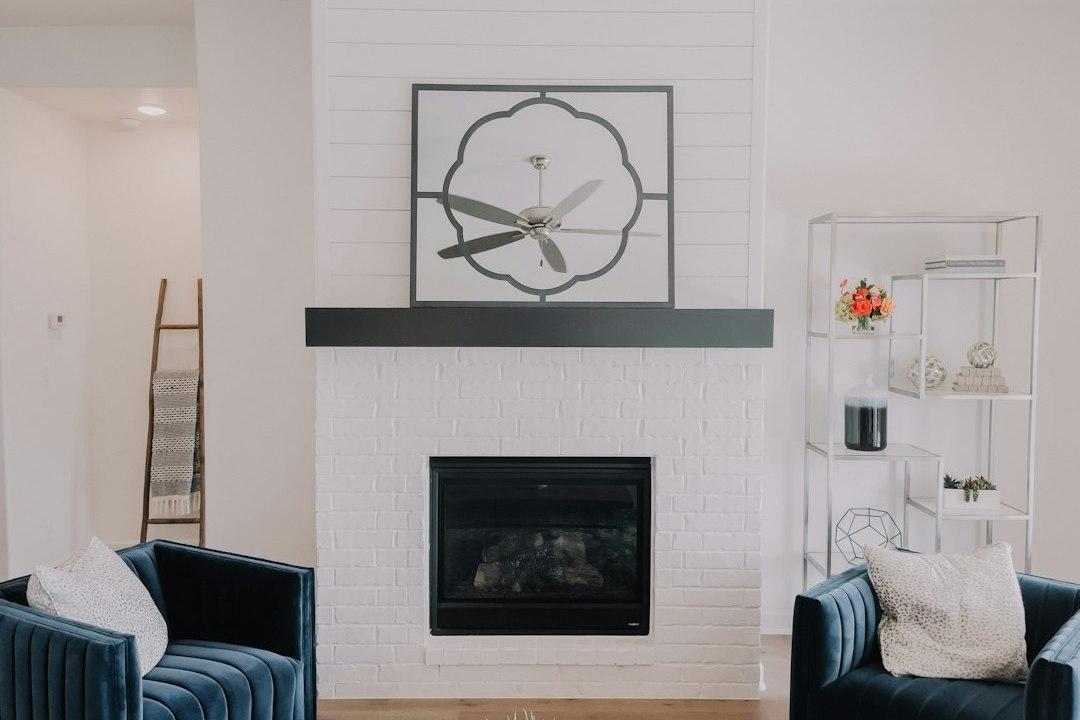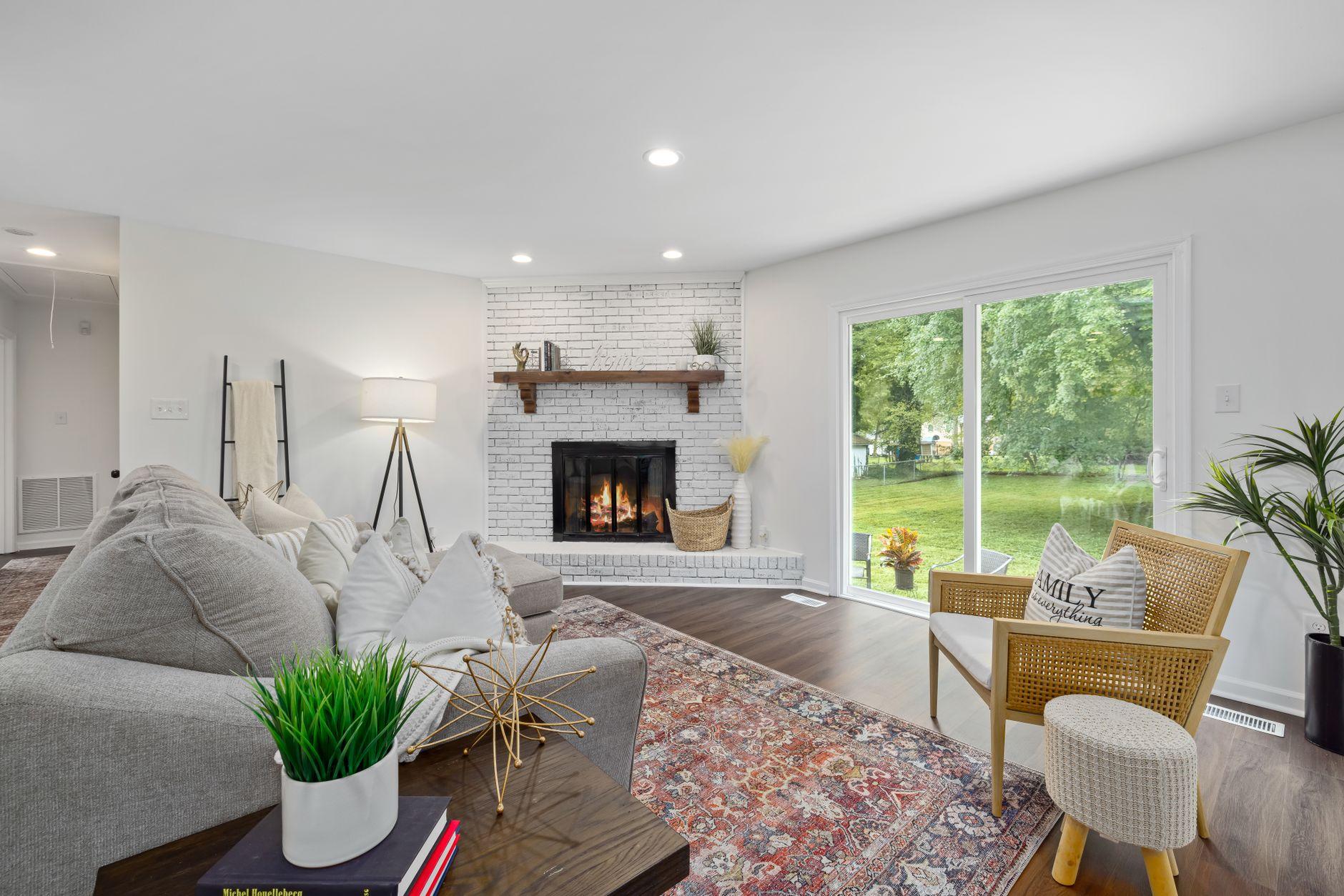
Picture the listing photos for a townhouse in Fountain Valley: a brick fireplace in the living room, and, if you look closely, a faint tide mark on the ceiling beside it. On a detached house the owner fixes that and moves on. In a condo or townhouse complex the first question is not what the repair is but who owns the part that leaks. This post works through that question, the inspection that answers it, and how repairs get split when a unit with a fireplace is being bought or sold.
Who owns which part
Every association writes its own rules, so the governing documents for your complex have the final say. In the complexes we visit, the split usually looks like this:
- Inside the unit: the firebox, the damper, the hearth and the face around the opening are usually the owner's to keep up.
- The flue: depends on the documents. Some treat it as part of the unit, some as shared structure.
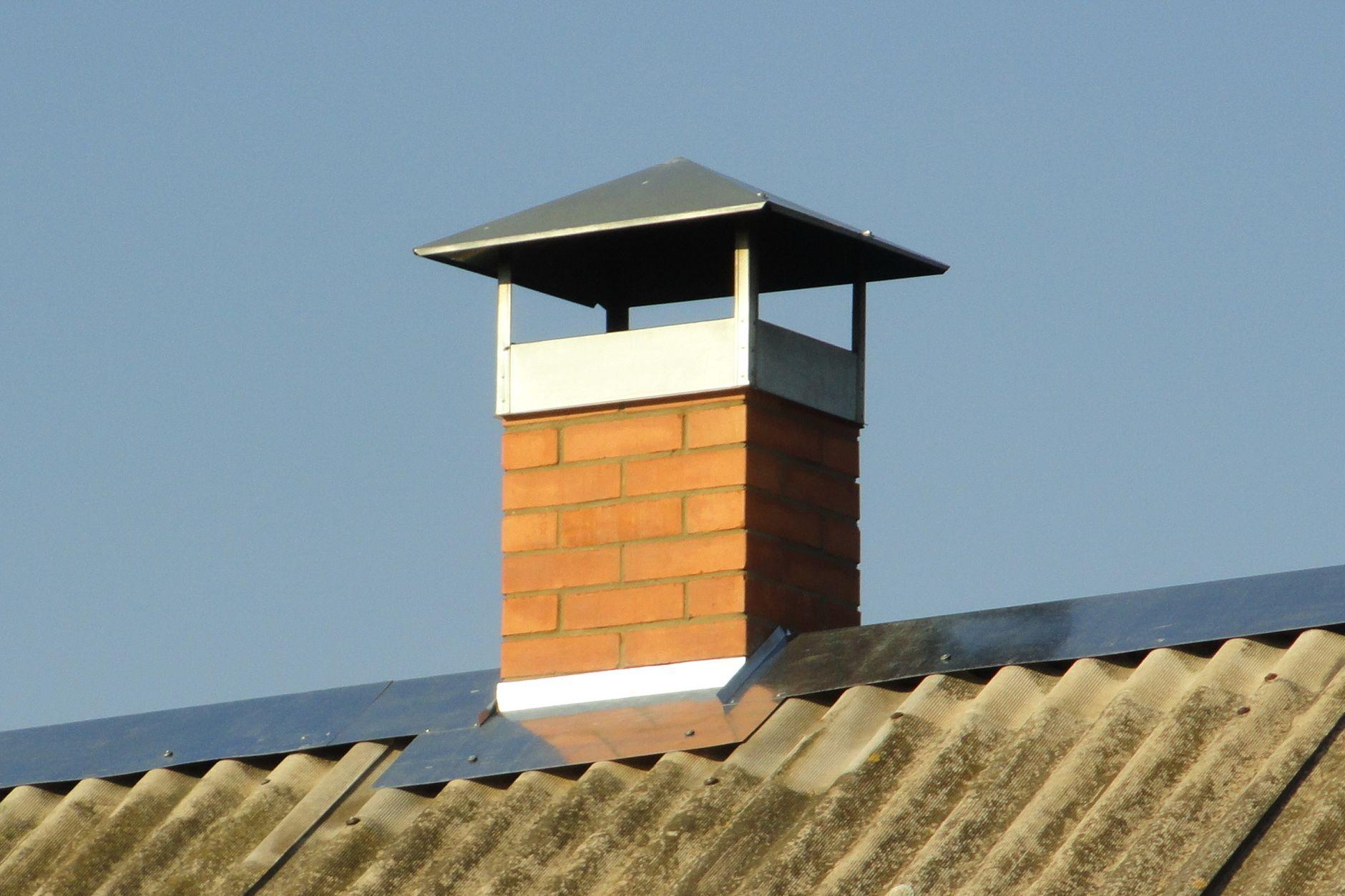
- Above the roof: the brick or framed chimney, its top, the cap and the metal at the roof seam usually belong to the association, along with the roof itself.
- Shared stacks: where one chimney serves two or three units, the whole structure is almost always common property.
Water nearly always enters through the parts above the roof. So a damp patch inside a unit usually traces back to something the association owns, and the repair becomes a board item, not a seller item. That changes who pays, who books the crew, and how long it takes.
Which inspection a sale calls for
The national fireplace and chimney standard, NFPA 211, describes three depths of inspection. When ownership moves, it asks for the middle depth, Level 2, because whoever is buying cannot know how the last owner used the fireplace. Level 2 puts a camera through the full flue, adds the attic and the roof, and records what it sees. Ours costs $380. A Level 1, at $160, looks only at what is open to view and suits a yearly check for an owner who is staying put.
On a condo sale the Level 2 has an extra job: it shows where the water is getting in, and therefore whose problem it is. A report that says "stain at ceiling beside chimney breast; cracked top slab above the roof; open flue on the shared stack" gives the seller something to send straight to the property manager.
How the access works
A unit inspection needs three doors to open: the unit, the attic or roof hatch if there is one, and the roof. The first comes from the seller or the listing agent. The other two usually need the association or its manager to agree. Ask early; some complexes need a written request before anyone climbs on the roof. If roof access is refused, we can still run the camera from the firebox and look at the top of the chimney from the ground, and the report will say which parts we could and could not reach.
Splitting the repairs
Once the report is in, the items fall into three piles.
| Pile | Typical items | Who usually deals with it |
|---|---|---|
| Unit items | Damper rust, firebox joints, hearth cracks | Seller, or a credit to the buyer |
| Shared items | Cap, top slab, roof seam metal, brick above the roof | Association, through its manager |
| Unclear | The flue, depending on the documents | Agreed between agents, using the documents |
Where we have a published price, the report says so. Leak tracing with sealing is $545 to $3,250. A sweep, needed when years of rain have left the damper and smoke shelf caked, starts from $410. A cap is quoted after we measure the flue. Brick, slab and liner work get their own written figures from the visit.
The usual next move is a Level 2 booked with the unit address and the complex name. Request the unit inspection on the form, naming the complex, the unit and whoever holds the keys. We set the visit around the association's roof rules.
What a buyer should watch for
A buyer of a condo with a fireplace should read the association's recent minutes and reserve study for any mention of chimneys or roofs. If the board already knows about a leaking stack and has a repair scheduled, that is good news. If the minutes show the same leak coming up year after year with no action, the buyer is taking on a stain that may return.
A buyer should also ask whether the fireplace has been used. Many owners in Fountain Valley, Westminster and Lakewood never light theirs, which means a leak can run for years before anyone notices.
What a seller should do first
Sellers who suspect a leak are better off knowing before a buyer's inspector finds it. A Level 2 before listing lets the seller send shared items to the board, fix the unit items, and hand buyers a clear picture. California sellers also have disclosure duties on known problems, and your agent will tell you how the report fits into them.
Coastal complexes
Complexes in Newport Beach and the coastal edge of our area see faster rust on caps and roof seam metal than complexes inland. A shared stack that has been capped in plain steel may need a new cap sooner than the board expects.
The home sale chimney inspection page covers condo and townhouse sales in more detail, and the property manager and HOA page is the one to pass to the board.
Getting it started
If your unit has a stain by the fireplace and a sale is on the way, start with our contact page. Name the complex and the unit, and we will work out the access and set up the camera visit.
Want the Leak Found Rather Than Guessed At?
Decker Chimney Company starts at the mark inside, follows it to the roof and prices each fix on its own line. We cover Fountain Valley, Westminster, Newport Beach, Lakewood and the towns around them.